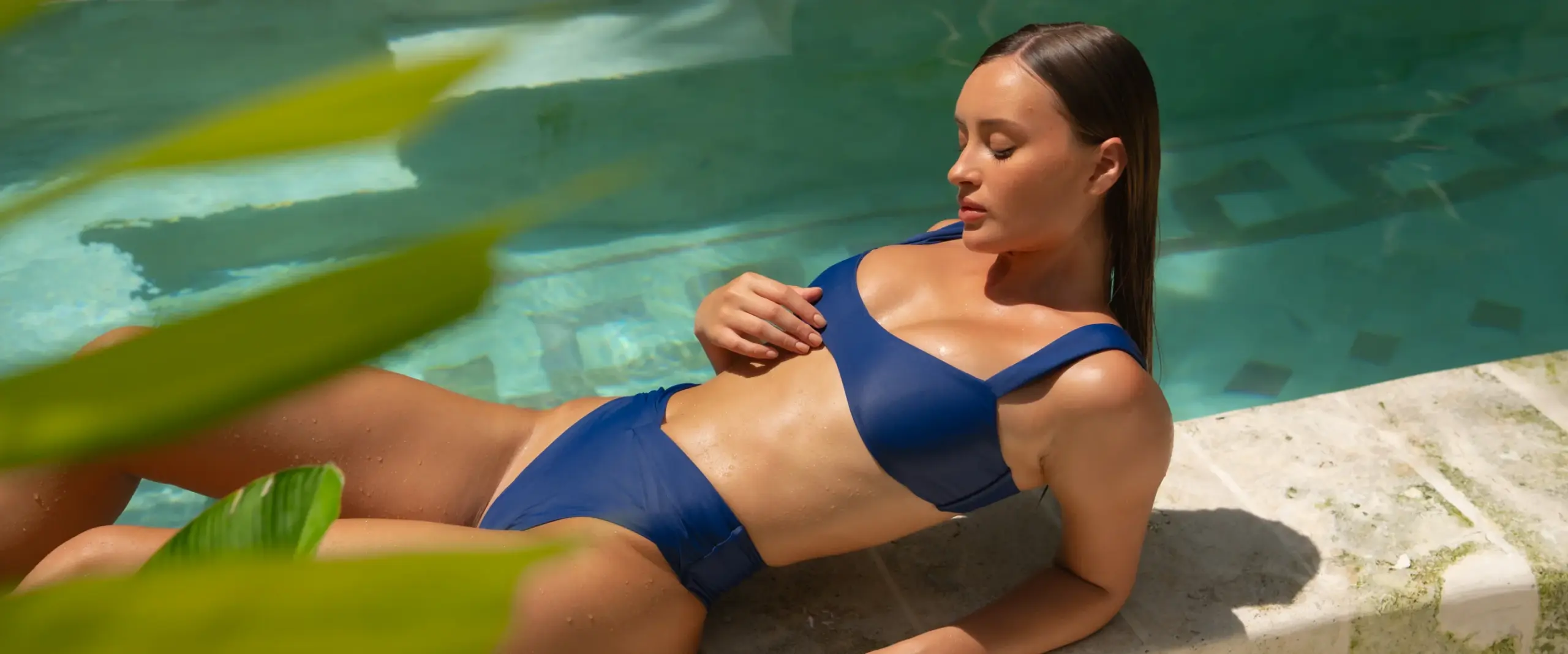
Best Fabrics for Swimwear: A Complete Guide
Choosing the right fabric is one of the most important parts of developing a swimwear collection. Fabric affects fit, comfort, durability, support, and the overall quality of the final product.
This guide explains the best fabrics for swimwear, what to look for when comparing options, and how to choose materials that suit your brand, styles, and price point.
Why fabric matters in swimwear
Swimwear fabrics need to do more than stretch. They must recover well, hold their shape, feel comfortable against the skin, and perform in water, sun, chlorine, and salt.
The wrong fabric can affect:
- fit and support
- opacity when wet
- durability over time
- color performance
- overall garment quality
For new brands, fabric choice also affects sampling, pricing, and minimums.
The most common fabrics used in swimwear
Most swimwear is made using synthetic stretch fabrics, usually with a high level of elasticity and good recovery.
The most common options are:
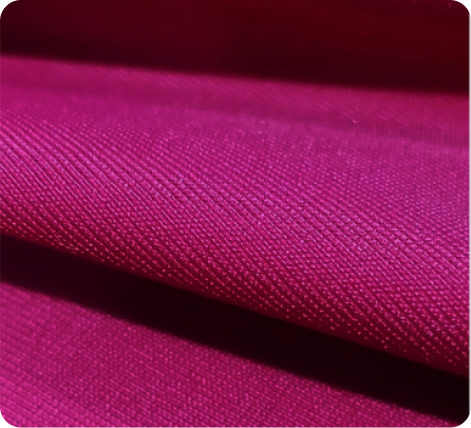
– Nylon and spandex blends
This is one of the most popular choices for premium swimwear.
Why it works well:
- soft and smooth hand feel
- strong stretch and recovery
- comfortable close fit
- ideal for bikinis and one-pieces
Nylon-spandex fabrics are often used for fashion swimwear because they feel refined and fit well on the body.
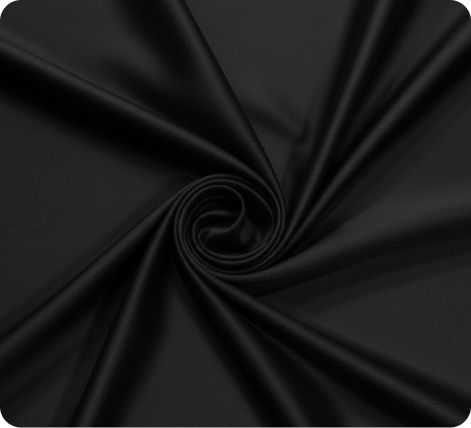
– Polyester and spandex blends
Polyester blends are also used in swimwear, especially when durability and colorfastness are priorities.
They are often chosen for:
- higher chlorine resistance
- strong shape retention
- durable performance use
These fabrics can work well for more functional or sporty swimwear.
Recycled swimwear fabrics
Many brands now choose recycled swimwear fabrics to support a more responsible product direction.
Common recycled options include recycled nylon and recycled polyester blends. These allow brands to maintain stretch performance while reducing dependence on virgin materials.
Recycled fabrics are often a strong choice for brands that want to position themselves around sustainability without changing the overall look and feel of premium swimwear.
What to look for in swimwear fabric
When comparing fabrics, do not look only at the appearance or color. The technical performance matters just as much.
Key things to assess include:
- Stretch and recovery: Swimwear needs to stretch comfortably and then return to shape. Poor recovery can cause garments to lose fit quickly.
- Weight and feel: Lighter fabrics may suit minimal styles, while slightly heavier fabrics can offer more support and coverage.
- Opacity: A fabric should maintain good coverage, especially in lighter shades and fitted styles.
- Chlorine and saltwater performance: Some fabrics are better suited for repeated exposure to pools or active use.
- Print and color suitability: If your collection includes custom prints, make sure the fabric works well with the printing method you plan to use.
Choosing fabrics for different swimwear styles
Not every swimwear style needs the same fabric.
Fashion bikinis
For fashion-led bikini collections, nylon-spandex blends are often preferred because of their soft feel and clean finish.
One-pieces with more support
A slightly firmer fabric can help provide better hold, especially for more structured shapes.
Reversible swimwear
Reversible swimwear needs fabrics and lining choices that work cleanly on both sides, with careful attention to thickness and finish.
Performance or active swimwear
If the collection is more functional, durability and chlorine resistance become more important.

Fabric choice and pricing
Fabric is one of the biggest factors in garment cost. Imported fabrics, recycled materials, custom colours, and printed fabrics all affect pricing differently.
For new brands, a practical starting point is often to choose from available stock colours first, then expand into more customised fabric options later.
This can help reduce complexity during early development.
How to choose the best fabric for your brand
The best fabric depends on what you are making and who you are making it for.
Ask these questions first:
- Is the collection fashion-led or performance-led?
- Do you want a smooth luxury feel or firmer support?
- Will the products be used mainly for resortwear, beachwear, or repeated swimming?
- Is sustainability part of the brand position?
- Are you starting with stock colours or custom development?
The right answer is usually a balance between design, performance, and cost.
Final thoughts
The best fabrics for swimwear are the ones that support the fit, function, and identity of your collection. A strong swimwear fabric should feel good, perform well, and suit the way your products are meant to be worn.
For most brands, fabric decisions are made during the early development stage, before pricing and production are finalised. That is why this part of the process matters so much.
If you are still developing your collection, start by understanding how sampling works and how fabric choices affect development and costing.